

Blog
Words by Kal Fitsch
Reviewed by Integrative Exercise Physiologist, Evi Peij
When you hear the words exercise physiology, you might picture intimidating gym environments and rigorous strength training routines. If you have experience with chronic illness, it’s normal to shy away from the concept of exercise as a whole. After all, those things can lead to injury, discomfort or a crash.
Exercise physiology goes far beyond just exercise. It is about capacity building, education, pacing, starting small and exploring safe and enjoyable movements. When approached correctly, it can make a world of difference for those living with chronic illness (such as hEDS/HSD, POTS and ME/CFS).
How can Exercise Physiology help with chronic illness?
Chronic illness is often synonymous with fluctuating energy levels, pain, tension, joint instability and much more. Naturally, exercising with any (or multiple) of those doesn’t sound very enjoyable or productive. But exercise physiology is not all about movement – let’s unpack how exactly it can slot into your life.
Managing your (changing) capacity
The spoon theory is a popular one within the chronic illness community. Movement, among many things, is known for taking many of our daily spoons! Working with an exercise physiologist who understands your capacity means you won’t need to push yourself beyond your limits. Together, you can discuss what movements are appropriate, how long you should rest in between and when your body is sending warning signals to stop or adapt the movements.
Working with your resources and capacity
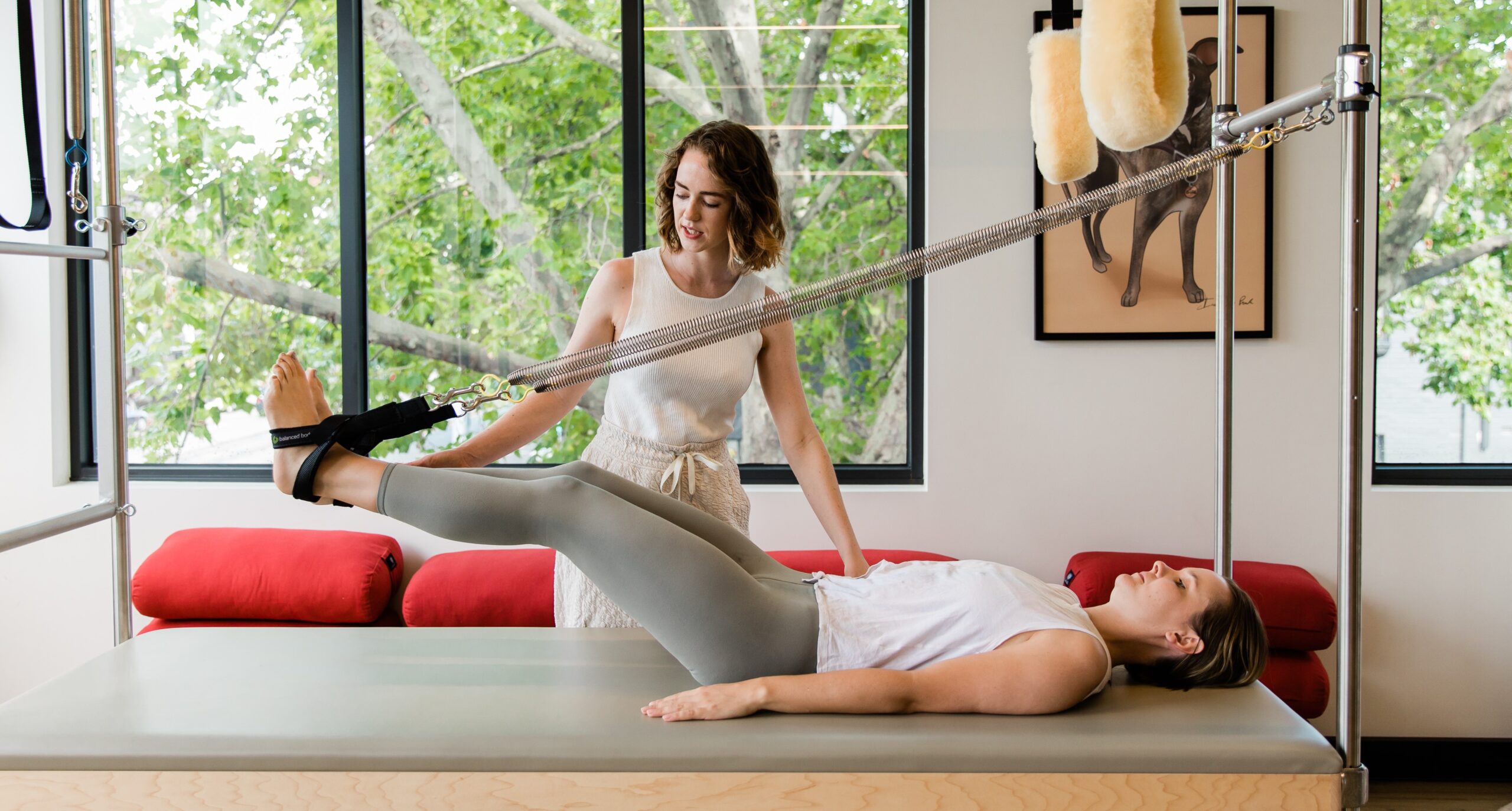
You don’t need a gym membership or even specialised equipment at home to get moving. An exercise physiologist can work alongside you to incorporate movements into your routine that work with you, not against you. These can be at a gym, or they can be tailored to what is at your disposal at home. You can even move from a chair, bed, or entirely supine (laying on your back).
Starting (very) small
Don’t worry, you won’t be deadlifting your body weight on day one. In fact, we probably won’t even exercise during your first appointment. We may start with breathwork or exploring different positions or postures. When you’re ready, we can introduce exercises in very short bouts (think 1-2 movements), then slowly build up from there. The aim is slowly expanding your ‘energy envelope’ (as explained in our post-exertional malaise blog by exercise physiologist Daisy).
Building confidence
If symptoms flare or worsen with exercise, it’s very understandable if you’ve lost some confidence through movement. Many of us have injured ourselves while exercising or experienced a massive energy crash afterward. Working with an exercise physiologist who understands your presentations (and how they may interact with each other) allows you to explore movement safely. This could look like avoiding loading certain muscles/joints, trying different exercises that target the same muscle(s) and taking previous injuries or current concerns into account.
Frequently asked questions
It’s okay to feel hesitant or confused about engaging with an exercise physiologist. We all come from different walks of life, and no two experiences of chronic illness are the same.
At Zebras, we take an integrative, trauma-informed approach to exercise physiology. We recognise that the humans in our community may have had less-than-positive experiences with movement or healthcare settings in the past. This could look like injuries, dismissal of experiences or an increase in symptoms.
Here are some questions our exercise physiologists Nick, Daisy and Evi are commonly asked.
Q – “What if I don’t have the capacity for exercise right now?
A – When you come in for your appointment, we consider different types of ‘loads’ beyond physical. For example, whether you’ve had to drive to the appointment or you’re dealing with something emotional in the background. Movement intensity can be reduced to match your capacity.
Q – “What if I don’t feel ready to start exercising?”
A – That’s okay. We don’t have to begin with movement right away – everyone’s journey looks different. Movement is trialled at a lower intensity whenever you’re ready, and we’ll gradually increase this if it’s feeling supportive. We don’t want to do too much and risk a flare.
Q – “Do I need a diagnosis to see an exercise physiologist?”
A – You definitely do not need a diagnosis. While our exercise physiologists are not able to formally diagnose, they can definitely assess and help manage troublesome symptoms. Whether you’re presenting with an old injury that occasionally flares up or longstanding joint instability, you don’t need a diagnostic label to your symptoms to start your movement journey.
Q – “I hate doing [insert exercise here], it triggers my symptoms. Can we avoid that one?”
A – If something doesn’t feel good to you, let’s try something else! There’s thousands of exercises we can try, so if something doesn’t work for you, that is no worries. You will never be forced into doing an exercise you don’t enjoy.
Q – “What if movement environments are way too overstimulating for me?”
A – We will do whatever we can to minimise sensory loads that may contribute to fatigue or overstimulation. We can change the type of music, adjust the volume or turn it off entirely. Movement can be carried out in an area with brighter or dimmer lighting. We can go somewhere with less people, or stay in the consultation room if you prefer total privacy.
Q – “I’m so busy with work/school/uni/something else. How do I find the time to do the exercises?”
A – Many of us follow super busy schedules. Juggling work, university, taking care of people/children, cooking, cleaning… and then managing our symptoms on top of that! You don’t need to plan an entire workout into your schedule to make it happen. There are plenty of ways to sneak movement ‘snacks’ into your day-to-day that carry great benefit.
Q – “What if I can’t make it into the clinic?”
A – You may not be able to make it into the clinic every time, or at all. This might be due to changing energy levels, a preference to stay home or living too far from the clinic. We offer telehealth for this reason! You can even change to telehealth last-minute if it dawns on you that you can’t make it in today. We understand, and our exercise physiologists are very nimble in their approach, and can adapt the session plan for you.
Q – “I’ve done some exercises in the past, but I can’t remember what they were. How can I best keep track?”
A – Your exercise physiologist will monitor the sets, reps, intensities and other variables. The movement is then carefully re-created from session to session to progress/regress as needed. They can also provide you with a movement plan afterwards if you’d like to re-create them in your own time. You don’t need to worry about keeping track!
The concept of re-engaging with movement may bring up some tricky feelings, and that is completely understandable. No two bodies are the same. It’s vital that movement is approached with the nuances of chronic illness at the forefront of our minds.
At Zebras, chronic illness is what we work with every day. Our practitioners have taken additional training on the conditions we see, including hEDS/HSD, POTS, ME/CFS and more. The aim is to build a toolkit and for your sessions to be practical – and pushing yourself isn’t practical!
Feeling ready to dip your toes into movement? Get in touch with our team at (03) 9938 0498 or by emailing careteam@zebrasaus.com.au.