

Blog
Words by Evi Peij – Integrative Exercise Physiologist
Reviewed by Nick Agius – Integrative Exercise Physiologist
In collaboration with Supacore for Dysautonomia Awareness Month 2026
You may have heard of compression garments being recommended for dysautonomia (an umbrella term for conditions such as POTS, orthostatic hypotension and episodes of vasovagal presyncope). At first mention, this might seem a bit confusing. How can a pair of leggings or stockings help reduce symptoms? It’s all to do with blood circulation, a big element in the realms of dysautonomia – let’s talk about it.
How can compression garments help with dysautonomia/POTS?
Increased blood pooling is often seen in conditions that fall under the dysautonomia label. This blood pooling may be present in the extremities such as hands and feet, as well as the legs and abdominal area.
Skin may appear discoloured (red-purplish), or you may experience pins and needles, tingling, swelling or a ‘heavy’ feeling in the extremities. The presence of blood pooling is a sign that blood isn’t circulating around the body properly, which can lead to other symptoms including light-headedness, brain fog, fatigue, (pre)syncope and headaches (including migraines).
Compression garments work to help improve blood circulation, reducing the pooling of blood in these areas and allowing more blood flow to return to the heart. This works by reducing the effort the heart needs to pump the blood around, reducing heart rate and other common associated symptoms.
Can compression garments be helpful for movement with dysautonomia/POTS?
Movement with dysautonomia can seem like a daunting task if you have a history of exercise provoking an increase in symptoms. Compression wear is one of the most commonly recommended non-pharmacological tools to reduce these symptoms and allow for exercise to feel safer.
Beyond movement, compression garments can help reduce symptoms any time the legs are lower than the heart, such as sitting, standing and walking. These are all activities that, throughout the day, are going to increase the autonomic tax on the body, but can be mitigated by compression use.
Using compression garments while completing a movement routine can help to maintain optimal blood pressure, reduce dizziness and the risk of a post-exercise crash or post-exertional malaise. Over time, being able to engage in regular movement helps increase total blood volume, enlarge the heart’s ventricles to pump more blood per beat and strengthen the leg and gluteal muscles that act as your body’s natural ‘muscle pump.’
After a while, this cardiovascular conditioning reduces your baseline heart rate, making standing and moving far less exhausting, even when you’re not wearing compression.
What compression wear is best?
There are so many options for compression wear from what item of clothing or support it is, to the varying levels of compression.
Compression wear is measured in pressure, the same way our blood pressure is measured and reported in millimetres of mercury (mmHg). The optimal compression level for dysautonomia is reported to be 25-30mmHg.
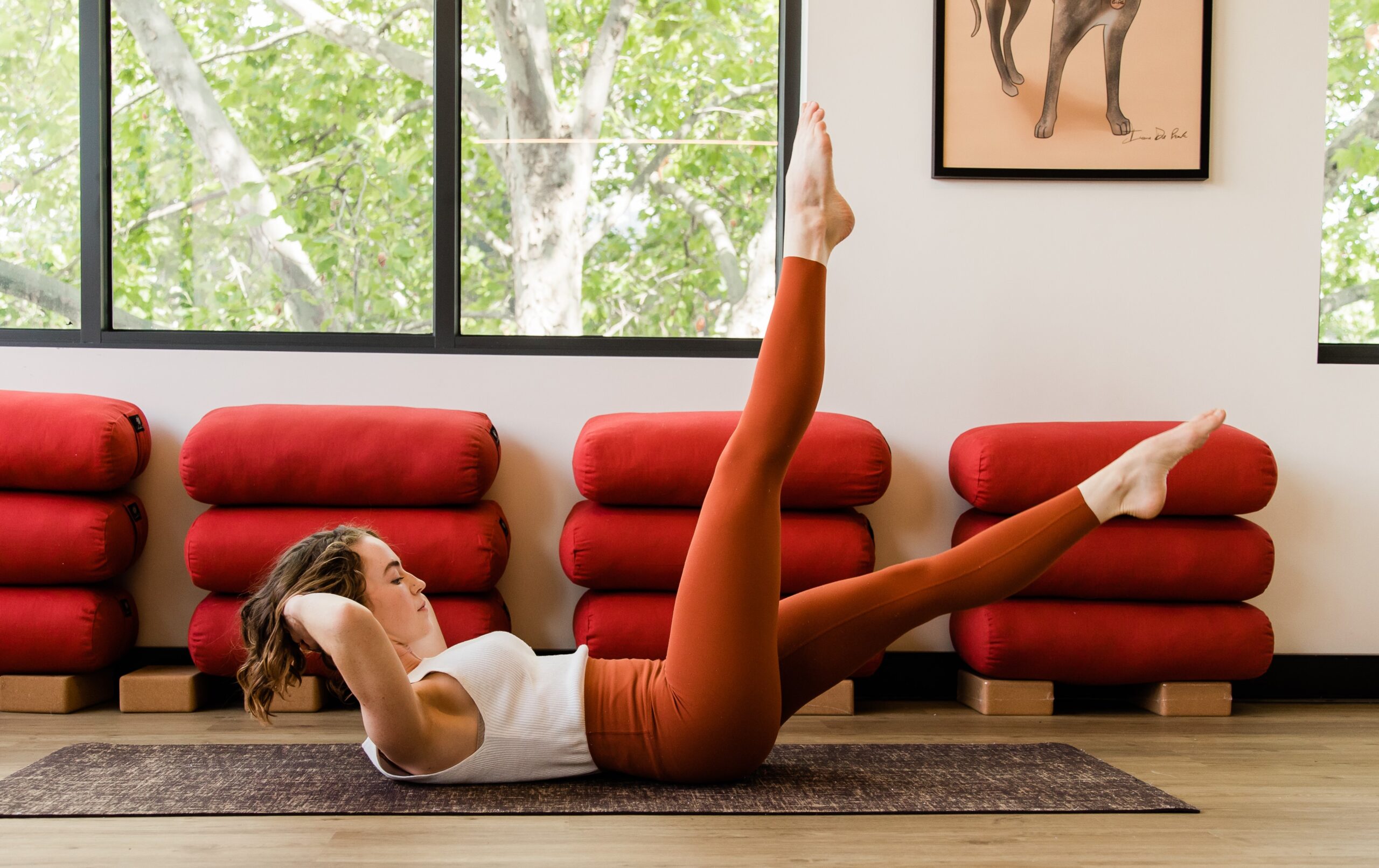
Research has shown that the most effective form of compression is ‘full length’ garments, reaching from ankles all the way up to the waist. This makes leggings one of the best options, but stockings and shorts are super helpful, too. Any compression is better than none!
All of that compression is a bit much for me. What can I do?
Now, we just talked about what is optimal, but what is functional and achievable for each person might differ.
As a ‘POTsy’ person myself, trying to put on full length, 30mmHg stockings or tights is near impossible, especially on days where fatigue might be a bit higher or my hands and fingers are sorer. If you are able to get them on though – WOW, the difference is profound!
It’s important to consider how compression feels when it’s on your body. Having compression around your abdominal area can be helpful as we can get blood pooling here, but for some people this is not possible due to sensory needs, pain or other reasons.
In an ideal world, we’d put on compression wear first thing in the morning, wear it throughout the day and take it off before bed. This can really vary between individuals, with some being able to tolerate more compression than others. Wearing compression when you are upright (sitting, standing or walking) will be the most helpful.
Wearing compression for a short period of time is an option too – like wearing an abdominal binder during a 30 minute drive, shift at work or trip to the supermarket. Some items will be easier to get on and off when you’re not at home compared to others.
The best option might be to try some different types, lengths and items of clothing to see what works for you and what feels most helpful. A few of the most common types include high waisted compression shorts or ‘shapewear’, full length stockings or sports tights (which can be found in open toe, full foot or ankle length), abdominal binders, ankle, knee or thigh high socks/stockings, as well as gloves.
To sum it all up
Compression garments can be a very useful tool in your toolkit (which may also include exercise physiology, physiotherapy, increased salt intake, pacing strategies and medication), especially as we head into the warmer months when symptoms tend to flare.
There are various compression options on the market, with our friends at Supacore offering patented leggings, shorts and stockings to cater to different needs. You can use our code ZEBRAS15 for 15 per cent off your order.
Remember that everyone is different, and no two dysautonomia bodies look the same – at the end of the day, you know your own body best.