

Blog
Words by Kal Fitsch – Digital Marketing Assistant
As we head into the end of the year, many of us are making (or considering) travel arrangements for the summer holiday period.
Travel – especially the long-haul kind – is not known for being kind on a chronically ill body. It often goes hand-in-hand with long periods of time spent sitting in a small seat, paired with unfamiliar and often overstimulating environments. Then there’s the precious spoons spent organising schedules, booking tickets, packing suitcases and navigating airports… yeah, no, not my idea of a good time!
Let’s talk about travelling with chronic illness, and how we can make small changes to conserve our energy, and instead use those spoons to enjoy our time away!
A cautionary tale
As someone who’s collected a few chronic illnesses over the years, didn’t get their driver’s licence until last year and with loved ones on the other side of the country (and planet), I’d say I’m pretty well-versed with the challenges of travel.
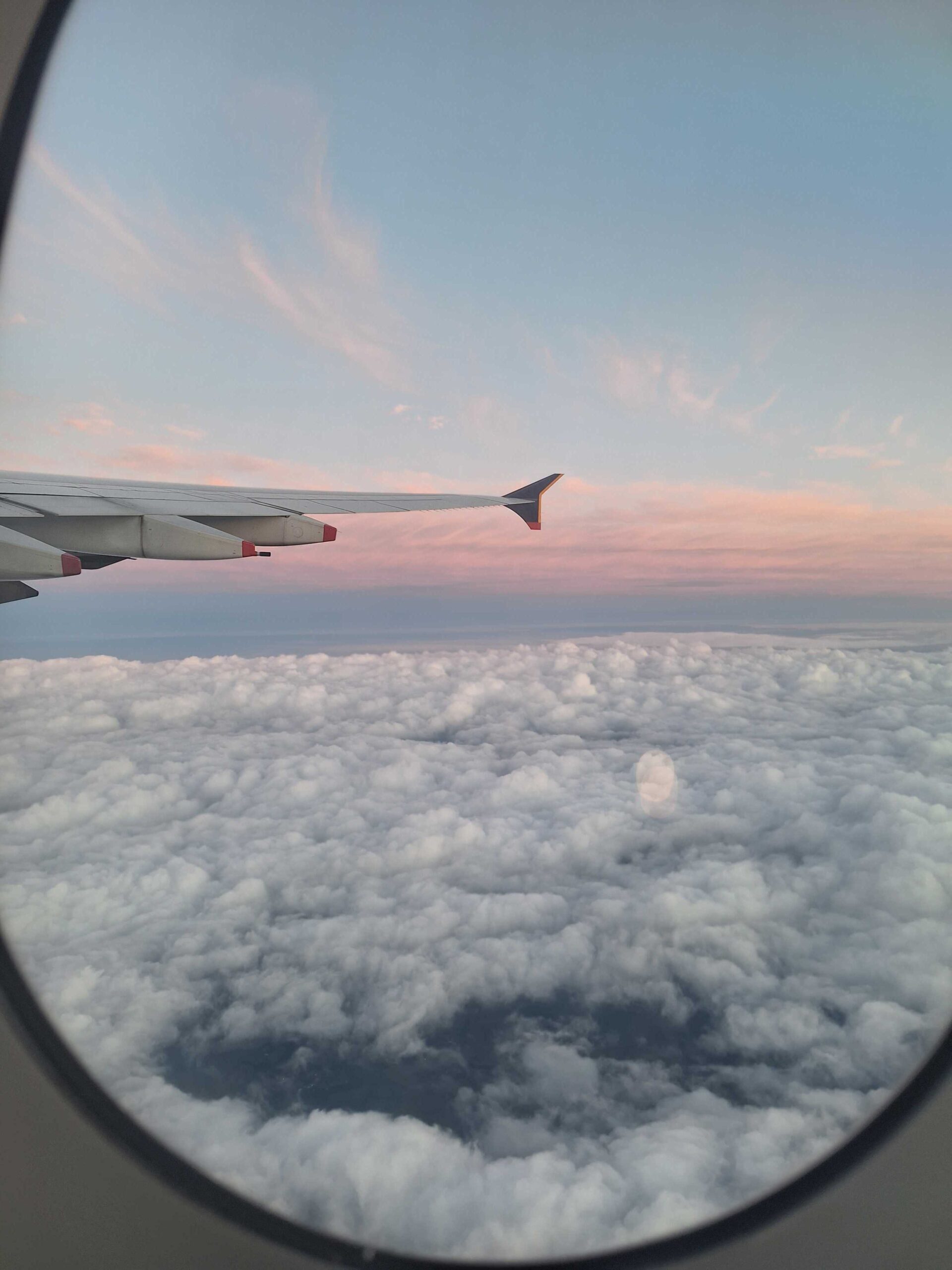
Most recently, I was on my way back from the UK and got jump-scared by my (very early!) period just an hour after flying out of Heathrow. I found myself trapped in a small economy seat with 12 hours to go until Singapore – and the looming, daunting knowledge that the intense cramps and migraine were on their way (cue horror music).
It was at that moment that I decided I could never let that happen again, and if the tips I’ve collected over the years could help anyone out there, I’ll gladly share my blunders.
Expecting the unexpected
Chronic illnesses, such as the ones we see at Zebras (hEDS, POTS, ME/CFS, and many more) are famously known for being unexpected. You can be completely fine one day, and bam – bedbound the next. The sudden onset of symptoms can blindside you, and it’s for this reason that we should always be as prepared as we can while travelling.
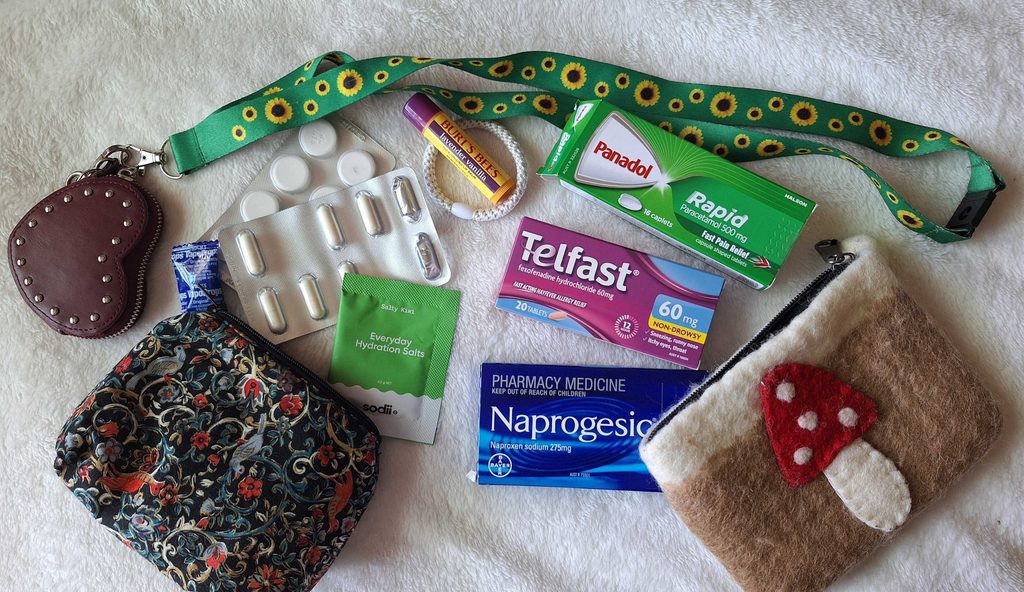
Keep your enemies close, and your meds closer – this one goes without saying, but always keep your medication close to you while travelling – ideally in your carry-on or on your person (I keep some emergency meds in a little zip-up pouch that hooks onto my sunflower lanyard). Consider the weather conditions and activities you’re planning at your destination, and if those calls for different medication and supplements. For example, travelling in the springtime might call for antihistamines, or going to a warm location might call for extra electrolytes.
Avoid unfortunate mealtime surprises – many airlines give you the option to pre-book meals for specific dietary requirements. Check on your airline’s website to see if this is an option for you. This way, you can dodge the inevitable “chicken or beef” question (and risk your preferred option running out by the time the flight attendants get to your seat!).
Schedule some rest time upon arrival – travel can take a lot out of us. Schedule some rest time when you arrive at your destination; ideally for the first day at least. Pacing yourself earlier on will set you up better for the rest of your trip.
Keep the essentials in your carry-on – if you’re flying, especially if it’s a long flight or you have a planned stopover somewhere, keep a change of clothing and enough medication for at least a few days in your carry-on. Although unlikely, if your connecting flight is cancelled or missed and you’re having to stick around waiting, you’ll want access to your medication (especially if that debacle inevitably gives you a headache).
Advocating for yourself
This can be a tricky one if it doesn’t come naturally, but even making a couple of tiny adjustments can make a world of difference. You can do it, I believe in you!
Sunflower lanyard – the hidden disabilities sunflower is becoming more globally recognised, especially in major travel ‘hubs’ such as airports. Wearing one may give you priority at check-in, security and boarding. In Australia, sunflower lanyards can sometimes be purchased for a small price from transport hubs (such as airports and major train stations like Flinders Street Station), or you can get one from the Hidden Disabilities Sunflower website.
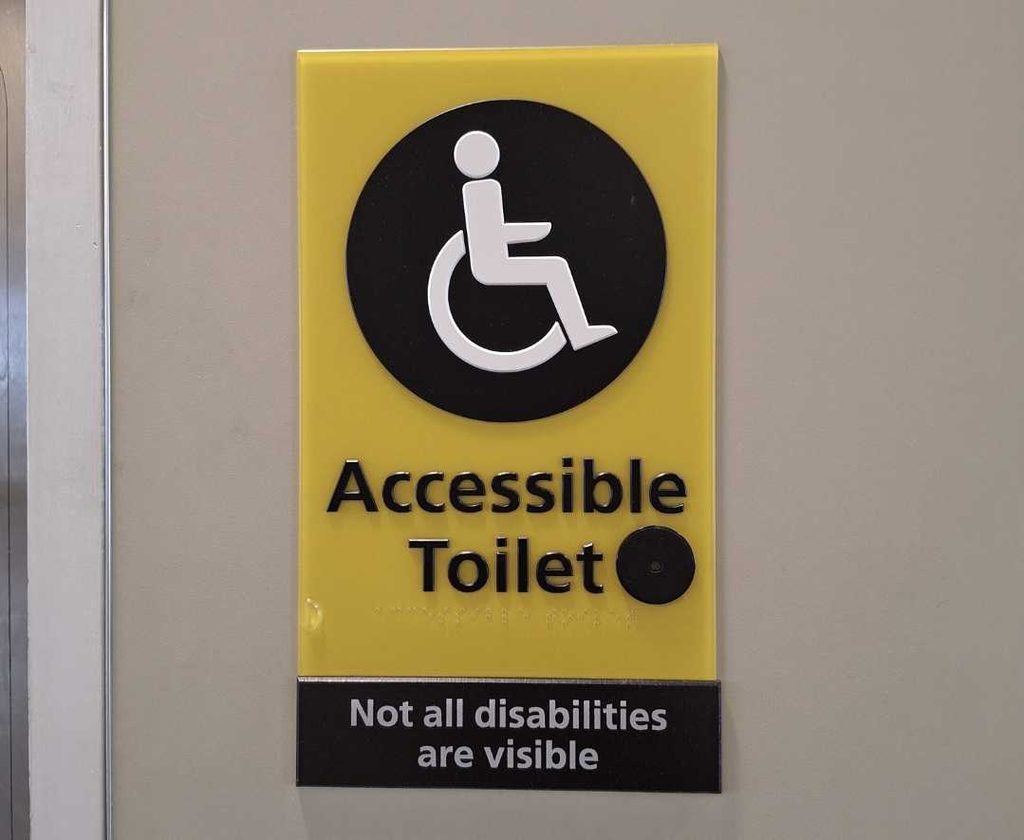
Request assistance – in many instances, you can book extra travel assistance at the airport/station ahead of time. At the airport, wheelchairs and buggies are available upon request, either when you book your flight or by calling the airline. This reduces airport standing time significantly!
Voice your needs – there’s never any harm in asking for what you need. Need to eat some food with your medication? Ask the flight attendant for a snack. You are never a burden for voicing your needs.
Staying comfortable
Comfort comes in many forms, and there are lots of adjustments we can make to stay comfy during travel.
Choose your clothing wisely – I recommend loose-fitting clothing in a fabric that you like and avoiding buckles, belts and anything else that might feel restrictive. If possible, wear something that has multiple pockets and store the items you reach for often in those (for example, boarding pass, wallet, lip balm, phone), so you’re not having to maneuver and unzip your bag all the time.
Convertible luggage/bags – There are a few pieces of luggage on the market that can be converted into different formats. Some backpacks can slip onto a folding trolley, and some wheeled duffle bags also have attachable backpack straps. This way you can change up the way you get around with your belongings, and not constantly overload the same joints.
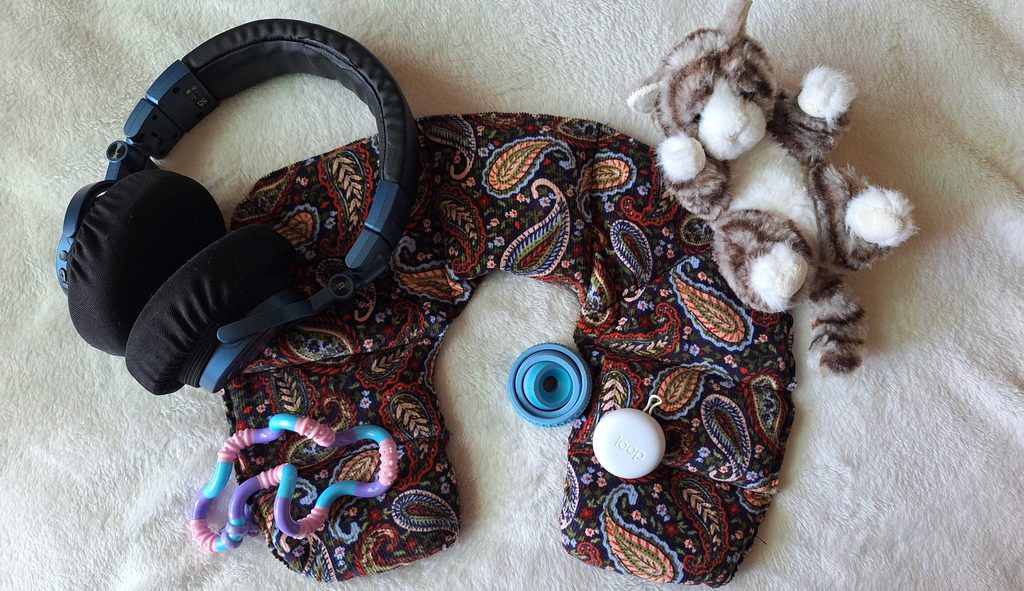
Support your body – Think of where in your body you might encounter some discomfort while travelling, and what you can do to support yourself. I found that investing in a good neck pillow made a universe of difference on red-eye flights.
Bring your own pillow – If you have a strong pillow preference, consider bringing your own pillow. Some stores sell half-size pillows that are easy to pack and transport. I have one made of memory foam that I take with me wherever I travel.
Bringing various compression options – if you have POTS, don’t forget your compression wear! You may like to bring multiple options to change into if one becomes overstimulating (for example, leggings, shorts and/or socks).
Managing overstimulation – this can be challenging, because travelling tends to be a loud experience! I recommend earplugs (such as Loops), sunglasses, a hat to block out overhead lighting and noise-cancelling headphones. Many airports have a sensory room that you can access as well. Melbourne Airport even has a handy Sensory Map, which identifies high, medium and low sensory areas. You may also want to look into alternative travel options that are less overstimulating. For example, opting for an Uber over an airport shuttle bus to get you to your accommodation.
Creature comforts – remember that there is absolutely nothing wrong with bringing some comforts from home if you find familiarity to be anchoring. I never travel without a plushie, even if I’m only going somewhere for one night. If I’m going further, I might consider bringing my favourite (small) blanket. If you have a strong preference for certain foods, I recommend bringing a safe food snack (if you can).
Adapting to changing conditions
Heading to a new location, no matter how close or far, comes with bucketloads of change. It might be significantly hotter or colder (see also: humid or drier), in a different timezone or just simply different. While adapting to said changes may not be seamless, we can plan ahead to lessen discomfort and overwhelm down the track.
Layer up (or down) – bring layers that are easy to add on or take off (for example, singlets, t-shirts, flannels/button-up shirts, cardigans, light jackets and jumpers). Extra points if they pack down small in your luggage. This also brings the extra benefit of having various outfit options to mix-and-match.
Bring your emotional support water bottle – hydration is key when travelling! Don’t rely on the small cups of water the flight attendants give you, or buying drinks from stores you find along the way. Bring your own water bottle and fill it up as often as you can. You may also like to keep electrolytes (such as Sodii) within easy reach.
Jet-lag – if you’re crossing over enough time zones where jet-lag becomes a concern, adjust your sleeping cycle in the days leading up to your departure to closer match that of your destination. If you need a hand with this, the Time Shifter app recommends when to expose yourself to light, darkness, caffeine, and when to sleep and be awake. It’s a paid app, but your first trip (there and back) is free, so it’s definitely worth a go. Remember that jet-lag is more than just feeling tired or awake at the ‘wrong’ times – it can affect your appetite, cognition or cause you to feel ‘off’. It’ll pass, even if it takes a few days.
Visual story – travelling to a location that’s completely new to you? You may like to familiarise yourself with the area before arriving. Have a poke around on the map, locating your nearest supermarket, pharmacy, restaurants and public transport. Some airports, train stations and other travel hubs have their own visual story to help you pre-plan and orient yourself.
Some of these tips were provided by the amazing members of the Zebras community. Every single tip comes from a place of lived experience and careful consideration, and I hope they help you out in some way.
If you are travelling in the near future, I hope your trip is restful, rejuvenating and enjoyable. Consider your needs, advocate for yourself and make adjustments to keep yourself comfortable, if you need. Take care of yourself, and remember that you are never a burden for voicing your needs.