Blog
Words by Kal Fitsch – Digital Marketing Assistant
Creativity makes the world go ‘round. Paintings, books, musicals, tapestries, poetry, you name it – it’s the heartbeat of the human experience, and as a species, we just loves to create.
For us chronically ill humans, engaging in creativity often carries additional significance. It can offer a break from the everyday, gives us an outlet that is often very much needed and allows us to learn or strengthen various skills.
It comes as no surprise that exploring the arts can look a little different for us – let’s chat about it.
A note on self-expression, emotional regulation and the human experience
I want to start with a little personal story.
Being 18 is hard. It’s even harder when you’re diagnosed with a lifelong chronic condition that you – and the people around you, including your careteam – don’t entirely understand. It’s a story many of us (unfortunately) know well.
When I was diagnosed with hEDS not long after my eighteenth birthday, I plunged into my art as a way of coping. Though I’d been known as “the kid who can draw” since the dawn of my schooling years, something shifted around the time of my diagnosis. Drawing became my outlet; a way to express various emotions about living with a complex chronic condition.
In it I found purpose and self-recognition. My worries fell away when I opened my sketchbook to a fresh page. I was able to focus on building a meaningful skill during a time where I felt like I was falling behind. Along the way, it taught me valuable lessons about emotional regulation, self-expression and what it meant to exist in a body that felt unpredictable.
I believe that creativity is vital to the human experience in whatever way, shape or form you choose to engage with it. Perhaps you like to throw yourself into huge projects that take months to finish, little by little; or maybe you prefer a relaxing, low-stakes afternoon craft. Maybe you’re writing a novel or screenplay, or bite-sized bits of poetry in the notes app on your phone. It’s all equally important in my eyes. It makes us feel a little less alone in what we’re going through, and engaging with it carries more benefits than you might think.
Creative hobbies to try
If you’re on the lookout for something new to try, the options are literally endless. If something isn’t your cup of tea, there’ll be something out there that is. If something calls your name, why not give it a go?
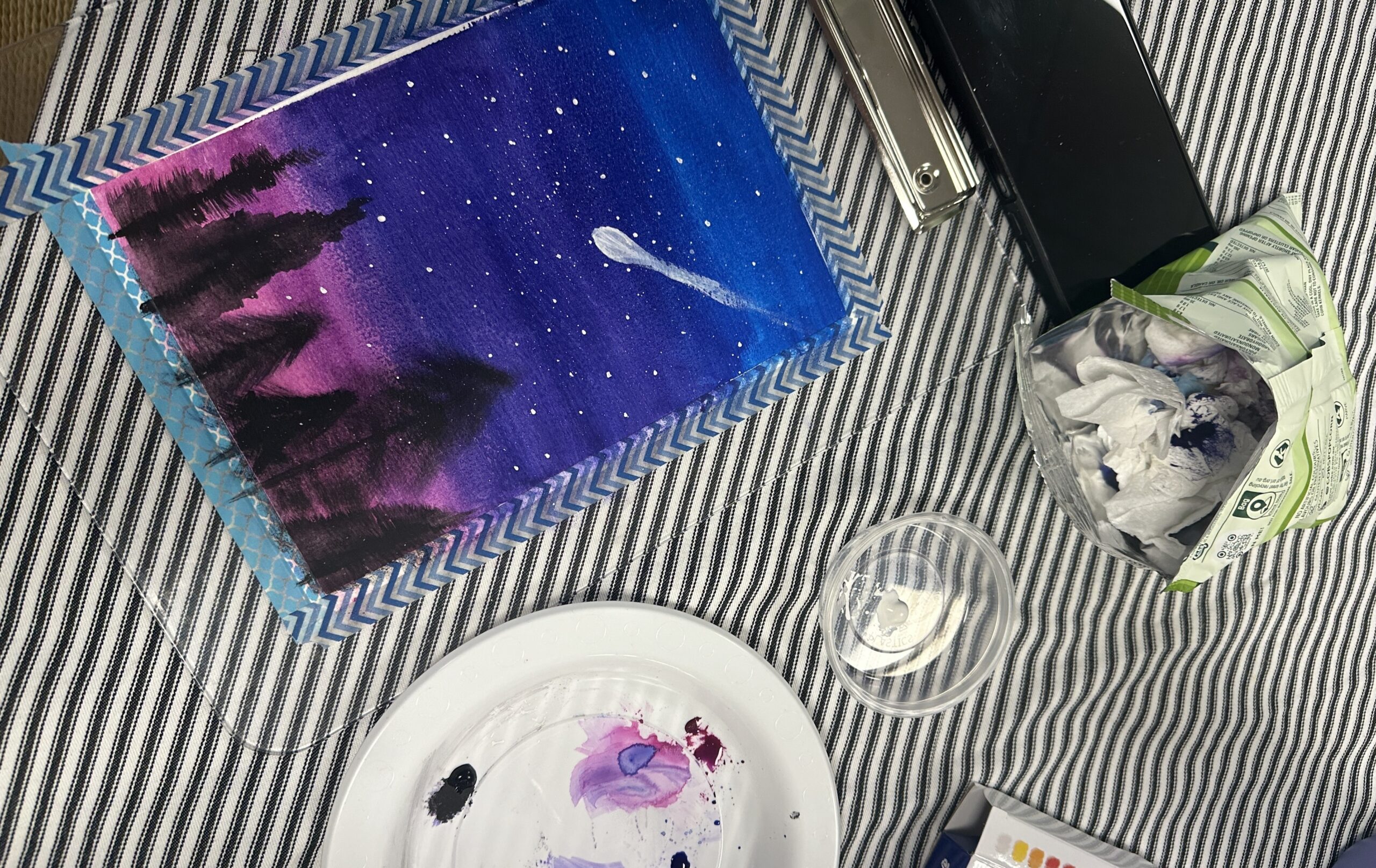
Painting – Watercolour, gouache, acrylics, oils. You don’t have to limit yourself to canvases, either. You can paint on mugs, plant pots or even rocks.
Crocheting/knitting – This is a great one if you want something to do with your hands while watching your favourite show or listening to a podcast. You could make hats, scarves, blankets or a stack of granny squares and figure out what to do with them later.
Writing – Writing is truly a bottomless pit of opportunities. You could write a short story mirroring a notable experience, a memoir about something personal or an epic trilogy set in a different universe (psst – if you’re after a good, free writing program, I recommend Ellipsus). Another branch of this is worldbuilding and/or map drawing, which I personally really enjoy too.
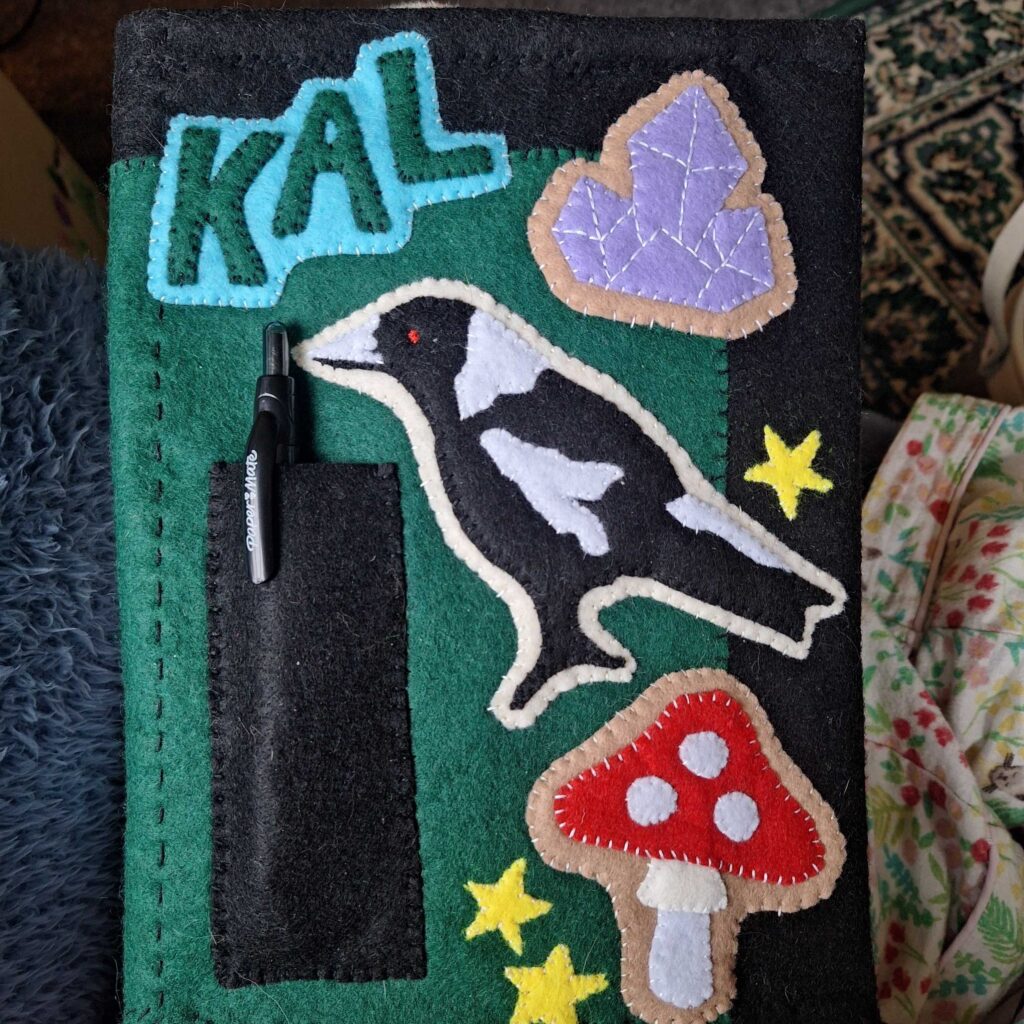
Sewing – Spoiler alert: you don’t need a sewing machine. Have a go at some basic stitches, visible mending or dive into a bigger, more ambitious sewing project. I like making my own iron-on patches with colourful felt.
Collaging – If you have stacks of old magazines, turn them into collages! Pick a theme or go with the flow. Op shops often sell magazines for $1, or you could even incorporate the junk mail that appears in your mailbox.
Making music – If you’re musically inclined, this is a fantastic outlet. Pick up an instrument or write some lyrics. Maybe there’s people in your community who feel the same and might be interested in starting a band together.
Upcycling clothing – Add iron-on patches, colourful stitching or visible mending to existing clothes that need a bit of TLC. You can also get some fabric-appropriate paint and paint on the back of a jacket to give it new life.
Scrapbooking – Do you have a shoebox filled with old photos? This could be a fun one (and if you don’t, it’s not awfully expensive to get photos printed). Incorporate coloured paper, stickers, or other materials such as felt and buttons.
Mixed media art – there are no limits when it comes to creativity. Mixed media art is visual art that combines two or more techniques or materials, so the world is your oyster. Mix painting with collaging. Stick fabric to canvases. Go forth and conquer.
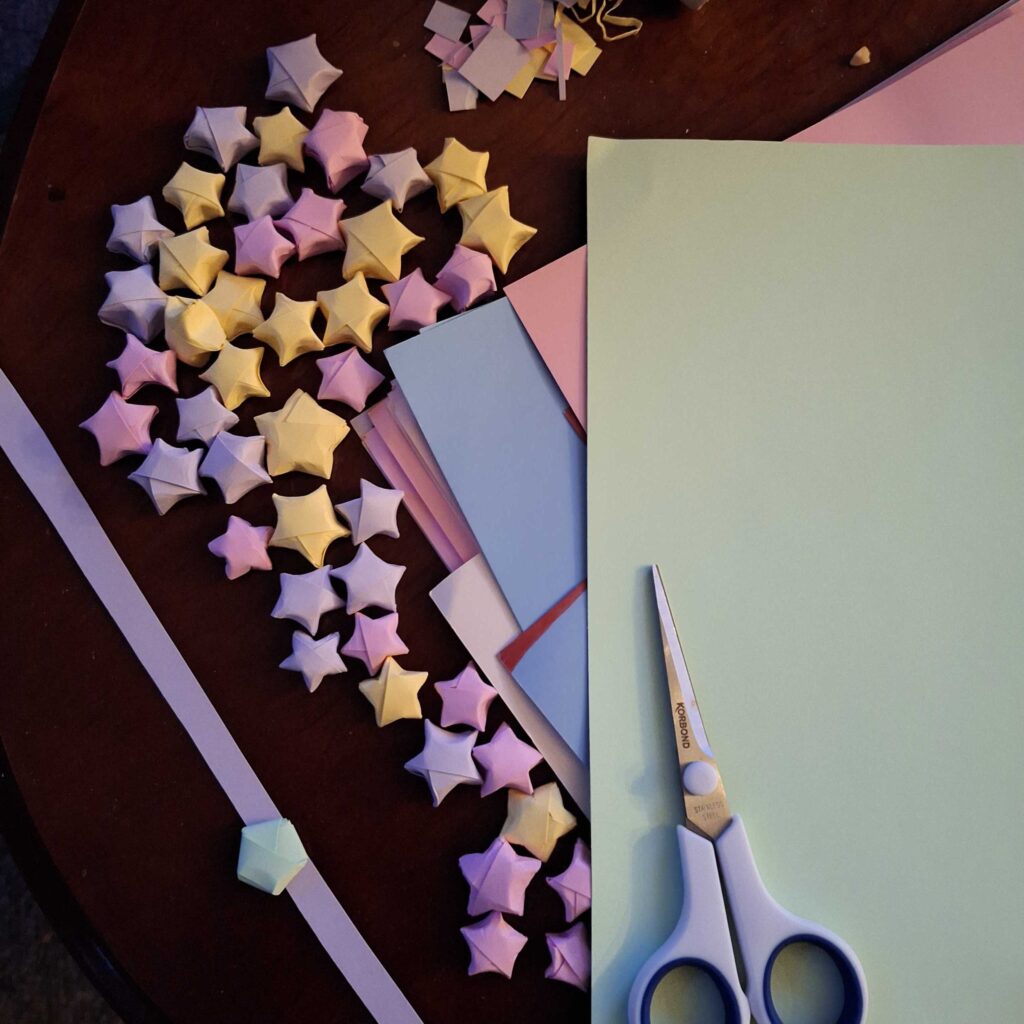
Origami – Don’t worry about the first few attempts – they usually come out a bit odd, like pancakes. Once you get the hang of it, it can be pretty fun, and you can leave your friends surprise origami creatures (which is extra fun). My housemate and I sat on the floor of our living room recently making loads of paper stars, and they now live in a jar on our coffee table.
Tackling bothersome symptoms
Creative hobbies often involve repetitive movements or sitting in one spot for a long time; things that can aggravate our bodies. Here are some suggestions to hopefully help you combat pain, tension or fatigue (or get on top of them before they set in).
Sore knees? Use a bolster (or similarly-shaped firm pillow) to prop your knees up into a more comfortable position.
Feeling potsy? If you have POTS, elevate your legs. You might like sitting on a bed or using a footstool (or small table) to put your legs up. Remember to stay hydrated – this can be particularly tricky in the winter, but our bodies still need water!
Neck pain? I get this one a lot, particularly when I’m looking down and focusing on a project. Take breaks to stretch your neck and try to adjust your position so your neck isn’t bending downwards for hours on end.
Cold hands? There are no rules against wearing gloves indoors. Fingerless gloves may allow you more dexterity and freedom when it comes to crafting.
Feeling sore (just in general)? Remember to pace yourself, even in the realms of art. Take breaks, stretch, make a cup of tea, get some fresh air. You might actually find it more beneficial to return to your project with fresh eyes.
And remember…
- Your worth is not determined by your productivity or output. Take your creative hobbies at a pace that suits you.
- The end product doesn’t need to be perfect. What matters is that you made it with your own hands and that you had a good time doing so!
- Capacity has the tendency to fluctuate, which includes your capacity to engage in hobbies. Try not to be too hard on yourself if you need to pause more than usual. It’s okay. Listen to your body, and prioritise caring for yourself.
- A new interfering symptom doesn’t necessarily mark the end of your hobby. If bothersome symptoms persist, intensify or really bother you, please speak with a trusted practitioner.
Join us for Stripy Makers
Did you know we host regular crafternoons at Zebras HQ in Abbotsford, Melbourne?
Stripy Makers explores a new craft activity on the last Friday of every month, guided by our Occupational Therapist, Lauri. It’s a no-pressure, relaxed environment to get creative and engage with other like-minded humans in our community. If you’re not familiar with the activity of the month, that’s no worries – we’ll be right there to help you, step by step.
The cost is $80 per session, with all materials and light refreshments provided. If you are an NDIS participant with funding for OT, your funding may cover the cost. You can come to as many (or as few) Stripy Makers sessions as you’d like, and you don’t need to be an existing client of Zebras to come along.
For more info, visit our Stripy Makers page. If you’re interested in joining us sometime (we’d love to have you!), contact us at careteam@zebrasaus.com.au or by calling (03) 9938 0498.