Blog
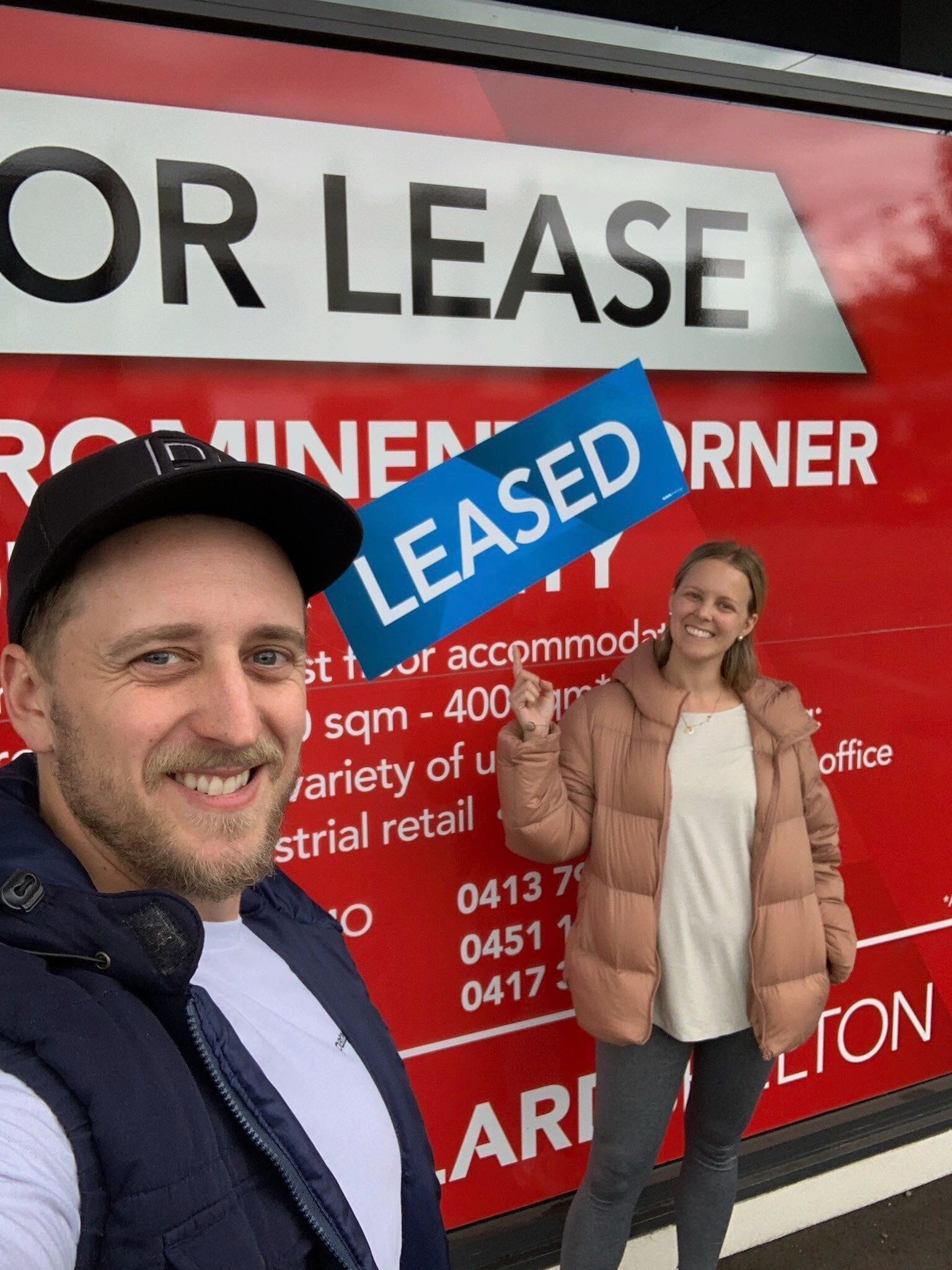
Words by Kal Fitsch
When you hear hoofbeats, think horses, not zebras…
It’s a quote many of us are familiar with. Coined by college professor Theodore Woodward in the 1940s, it’s a phrase taught to medical students to encourage the most common or likely diagnosis.
It’s a phrase that has little regard for those of us with a more complex constellation of symptoms. Those of us experiencing symptoms that are often misdiagnosed, underdiagnosed or not acknowledged at all.
This is our namesake, and the reason we exist. But how did this stripy corner of the world come to be?
From one zebra to another, let me share this story with you.
The roots
The atmosphere shifts as I step into Mel’s office. The door is open, beckoning in a warm autumnal breeze and the distant calls of lorikeets. Mel takes a seat on the sofa, basking in the sunlight streaming in through the floor-to-ceiling windows.
We are in Abbotsford, April 2026. We’ve called our beautiful riverside clinic home for eight months. With two floors, eight consultation rooms and two movement spaces, it’s hard to cast our minds back to anything different.
The roots of Zebras lead back to 2018. Mel was working within another multi-disciplinary healthcare business called Upwell Health Collective. The team was on an end-of-year retreat, and the director of the organisation at the time, Matt, had prepared a presentation.
The first slide flashed up with an intriguing logo that read Zebras Australia.
“I remember looking at it, and I remember this so vividly – I had no idea what it was, but I immediately knew I wanted to be a part of it,” says Mel.
Matt explained that Zebras Australia was to be a new program at Upwell, dedicated to people experiencing chronic pain and fatigue that are often let down by the healthcare system – humans we now recognise as the Zebras community.
“I was just sitting on the edge of my seat thinking, I’m in! How can I be a part of this?”
Over the next few years, word spread about this little program in Upwell until it was not so little anymore. The team at Upwell consisted of about 22 staff – a similar size to Zebras at the time I write this. Mel consulted almost exclusively within the Zebras Australia program as a physiotherapist, hearing unheard voices, learning about the various mind-body presentations connected to hypermobility and seeing a community begin to form. Many humans who, up until this point, thought they were facing this health journey alone.
That was, until a little something happened in 2020 that threw a very big spanner into the works.
“We were in the thick of the pandemic here in Melbourne, and it was a pretty hairy time for business owners. It was becoming pretty challenging for Upwell to keep up with the growing demand for Zebras Australia as a program,” Mel recalls. “I had a discussion with the business owner about the program potentially closing, as it was no longer within their capacity to run it.”
Mel couldn’t bear the thought of Zebras no longer existing. All these humans who had their lives changed by this program, only to be faced with the prospect of having it all taken away.
She went home that night and explained everything to her partner Andrew, who said a few words that would go on to change everything.
“Well, we don’t want this program to not exist anymore. Why not consider taking over?”
A stripy new chapter
The next few months proved to be nothing short of a whirlwind.
“I wasn’t sure if I could run a program or a business, but there was enough fire in my belly at that point that it felt important that I would try. This felt really important, and it went far beyond me as an individual.”
Conversations were had about what Zebras could look like as its own business, taking up new life and moving to a new location with new ownership. By the beginning of 2021, the reins were officially handed over.
I zoom out for a moment and consider my own lived experience. I would likely not be sitting here if it weren’t for my own health-related challenges – particularly with hEDS and POTS, conditions that led many humans towards the Zebras program in the first place. I’ve first-hand seen some of the ways the organisation has grown and changed. I ask Mel about the early days, and she laughs.
“The word ‘mess’ comes up first and ‘rollercoaster’ comes up second. We were very new business owners, navigating new roles and constant changes due to the pandemic. The goal post shifted every couple of weeks. In the midst of the chaos, we did manage to pick up and move Zebras into a new, thoughtfully designed environment in Richmond.”
In these early days, Mel was the sole runner of the business – juggling phone enquiries and processing payments in between actually delivering consultations. Andrew supported Mel behind the scenes, juggling fitting out the clinic with finishing his university degree.
“I was fully client facing, wearing all the hats. Although it wasn’t long after in June that our first team member came on board. By the end of 2021, we were a team of five.”
Back then, Zebras offered one single service – physiotherapy. Since then, we’ve grown to a team of 22 and expanded to offer three more services: exercise physiology, osteopathy and occupational therapy.
Each year, Mel and Andrew welcomed more humans to a team with aligned values and a shared vision for what Zebras was then, and could become in the future.
Thinking outside the square
The goal was clear; and over time, it’s only become clearer. Since 2020, we have welcomed thousands of clients through our doors (whether in-person or virtually). We’ve been embraced by the community in ways we could never have imagined, and watched it grow and flourish in return.
“Then we started to think bigger than clinical care, which is our core business and will always be our biggest focus,” Mel shares. “But we started to think more about the community and how we can offer things outside of the consultation room; like practitioner education, community events and resourcing.”
“As we know ourselves and our team expands, there’s a pull towards refining our big goal a little bit more. It hasn’t changed significantly, but gets refined every year. Now it really feels much bigger than the clinical care aspect, like a bit of a movement forming around inclusive, sustainable and trauma-informed care.”
It rings true. Since 2021, we’ve been invited to join the Core Network of Excellence for the Ehlers-Danlos Society; a network which spotlights organisations that accelerate access to hypermobility-focused care. We’ve travelled around Australia (and across the world to the US) to attend medical conferences. Just over a month prior to this conversation, we wrapped up our biggest community event to date – a workshop-filled day encouraging connection and friendship between like-minded zebras. We welcome dozens of clients through our doors every day, and celebrate wins big and small.
This is what it’s all about. At Zebras, we tend to map things out in three-year blocks – and we’re just reaching the end of one of those.
What’s next
When you aim for the moon, you often land among the stars – and occasionally, you manage to land on the moon, too.
“The first time we looked at the goals we’d set for ourselves, we thought oh, we’ve achieved them all!” says Mel. “I’m excited to set some goals for the coming years that I feel will stretch us. I feel inspired to continue improving the care that we offer in line with the research coming out. I’m excited to see what other ways we can be of service to the community, and to see where this takes everybody on the team on their individual journeys. And I really feel quite lucky with the group of people that we get to do this with every day.”
We are constantly discussing the way Zebras can change the Australian healthcare landscape. We hope to see care for chronic illness improve significantly through setting the standard for integrative, trauma-informed clinical care, practitioner education, community events and providing a range of resources in a healthcare space that is often deeply misunderstood.
Introducing the Zebras Australia blog, a hub for information, resources and news on everything in the world of the zebra. I hope you find your home here on this little stripy corner of the internet.
Thank you for being a part of our ongoing story.